My work on HIAs and SIAs
Since 2011, I have worked on various Health and Social Impact Assessments (HIA, SIA) of infrastructure and energy developments in the UK, mining in Australia, a multipurpose stadium in Japan, and an emergency response aid programme for infectious disease outbreaks in Africa among others.
I have led on, and contributed to baseline scoping exercises, desk-top evidence reviews, made recommendations for protecting and mitigating adverse impacts on mental health and social cohesion, and designed and led community engagement processes via telephone surveys, interviewing community members at public meetings and information days, and a participatory workshop using asset-based community development methodologies.
I have published four journal papers which outline new approaches to mental health in HIA, a psychosocial model and methodologies for measuring the health effects of public understanding of risk from industrial developments. See Psychosocial Health for details. I have carried out research on HIAs using case studies from the UK, USA, New Zealand, Australia, Thailand and Indonesia.
What Are The Social
& Environmental Determinants of Health?
The social and environmental determinants of health are the factors that affect and support our physical and mental health and well-being in daily life. They must be nurtured in order to provide a stable base from which we can play a meaningful role in the promotion of our own health to ensure we lead the fullest possible lives during our short human lives.
What is a Health Impact Assessment (HIA)?
A health impact assessment (HIA) is a way of identifying the social and environmental factors, or determinants that shape our health and well-being in daily life, and assessing the effects of changes to determinants caused by policies, plans, programmes, and projects on our health status. Such changes can effect our physical and/or mental health and well-being. The impacts can be positive, i.e. our health status is enhanced, or they can be negative, i.e. our heath status is adversely effected.
Health Impact Assessment (HIA) uses quantitative, qualitative and participatory techniques to assess the health impacts of policies, plans, programmes and projects. It provides an evidence base from epidemiology and public health, and of local community views and experiences to support recommendations for mitigating, managing or eradicating negative health impacts, and promoting positive ones. It helps decision-makers to make informed choices about development alternatives or alterations to prevention disease/injury and intentionally promote good health. It also helps to reduce health inequalities by identifying where there is an inequitable distribution of health impacts on vulnerable populations – where they are subject to a higher level of negative effects and denied an equitable share of positives ones – due to their socio-economic status, locality, existing health status (i.e. poorer health), degree of empowerment and political mobilisation, education, employment status, ethnic and religious identity, and other factors.
For example, industrial emissions into the atmosphere can pollute the air that we breathe, and change its quality to make it worse, with potential negative effects on our respiratory health. Or a loss of green space due to a building development may effect our ability to walk or exercise outside, spend time with friends and family, and cause some psychological distress if we are very attached to the landscape where we live, work and play. All of these changes can have negative health effects, as physical activity, social networks and connection, and the calming effects of nature or emotional attachment to familiar places are all conducive to good health and well-being.
HIA is supported and promoted by the World Health Organization (WHO) and International Association of Impact Assessment (IAIA) and many national governments. It has different statuses in law around the world.
CASE STUDY:
WYLFA B NUCLEAR POWER STATION
ANGLESEY, NORTH WALES, UK
Wylfa B Health Impact Assessment (HIA):
Community Survey & Workshop
For an HIA on the island of Anglesey in rural North Wales, I designed and helped implement a mixed methods (quantitative and qualitative) community survey and an asset-based community development workshop with local residents. This helped understand their hopes and fears around the potential health, well-being and social impacts of the proposed construction and operation of a new nuclear power station.
We asked questions about impacts on social cohesion, social networks, Welsh culture and language in this native Welsh-speaking area, with the planned arrival of 10,000 construction workes from Eastern Europe; and about potential physical and mental health and well-being impacts. Residents contributed ideas to mitigate negative impacts, including opportunities for the workforce to join Welsh language arts and cultural activities.
Careful strategies to mitigate any stress and anxiety caused by these enquiries were carefully designed into the survey and workshop methodologies, such as sensitively wording and ordered questions, interrogating a mix of positive and negative potential impacts and identification of positive benefits as impact management strategies. From this work, I devised a new conceptual psychosocial model of the formation of public understanding of environmental health risks, and attitude as a mediator of positive and negative mental and physical health effects, published in two journal papers.
What is a Social Impact Assessment (SIA)?
Social Impact Assessment (SIA) follows a similar procedure, but is focused on potential changes to all the factors that directly effect people when changed, and primarily through changes to social processes. The International Association of Impact Assessment identifies a range of areas where changes to social processes have the potential to cause social impacts:
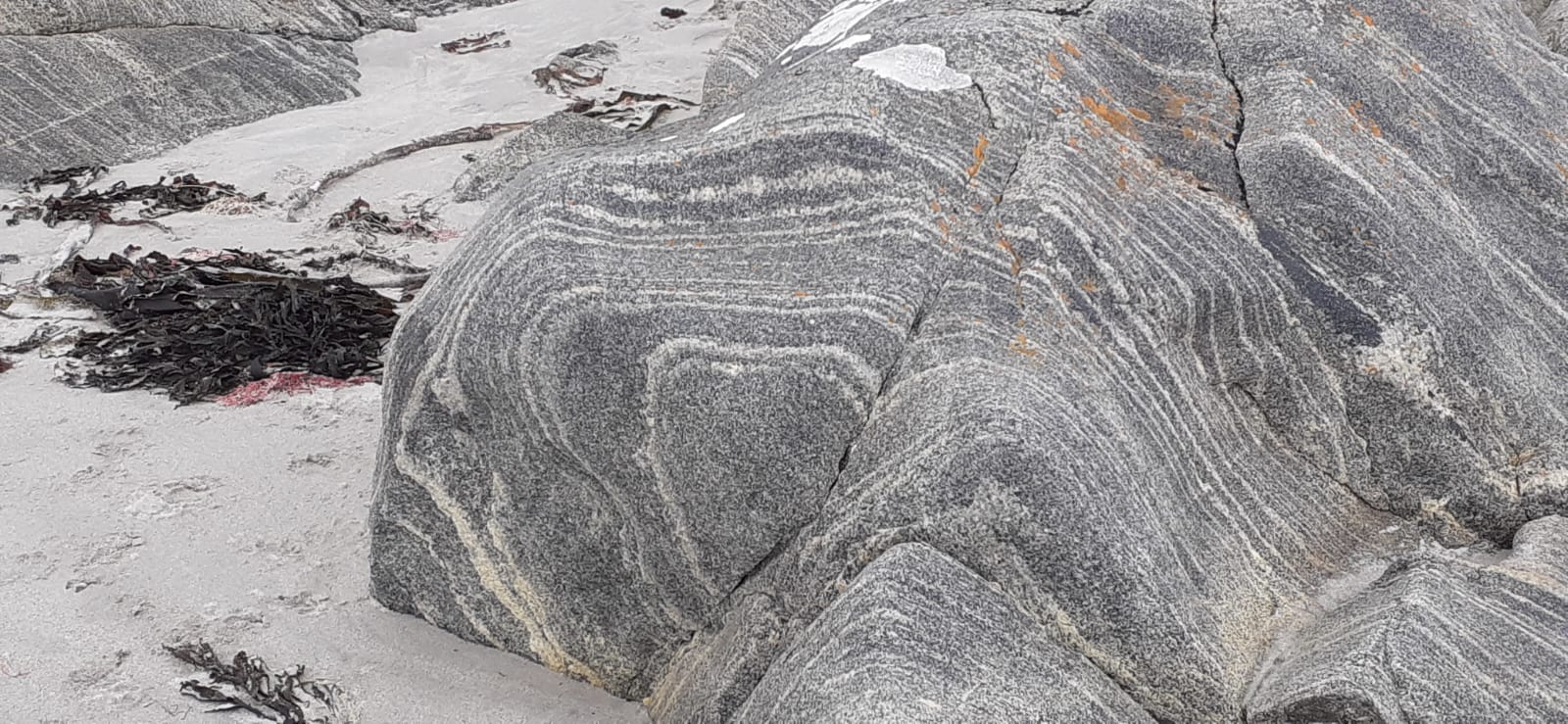
Social Impact Areas
- People’s way of life – that is, how they live, work, play and interact with one another on a day-to-day basis;
- Their culture – that is, their shared beliefs, customs, values and language or dialect;
- Their community – its cohesion, stability, character, services and facilities;
- Their political systems – the extent to which people are able to participate in decisions that affect their lives, the level of democratisation that is taking place, and the resources provided for this purpose;
- Their environment – the quality of the air and water people use; the availability and quality of the food they eat; the level of hazard or risk, dust and noise they are exposed to; the adequacy of sanitation, their physical safety, and their access to and control over resources;
- Their health and wellbeing – health is a state of complete physical, mental, social and spiritual wellbeing and not merely the absence of disease or infirmity;
- Their personal and property rights – particularly whether people are economically affected, or experience personal disadvantage which may include a violation of their civil liberties;
- Their fears and aspirations – their perceptions about their safety, their fears about the future of their community, and their aspirations for their future and the future of their children.
SIA is also driven by concerns for equity, poverty reduction and human rights. It is summarised by the IAIA (see above) as:

© Cathy Mungall-Baldwin, 2026.
“the processes of analysing, monitoring and managing the intended and unintended social consequences, both positive and negative, of planned interventions (policies, programs, plans, projects) and any social change processes invoked by those interventions. Its primary purpose is to bring about a more sustainable and equitable biophysical and human environment”
International Association of Impact Assessment (IAIA).
 Dr Cathy Mungall-Baldwin